
Relationships
What Is Contempt in a Relationship? Warning Signs
Contempt is a toxic emotion that can erode love and respect in relationships. Discover what contempt...

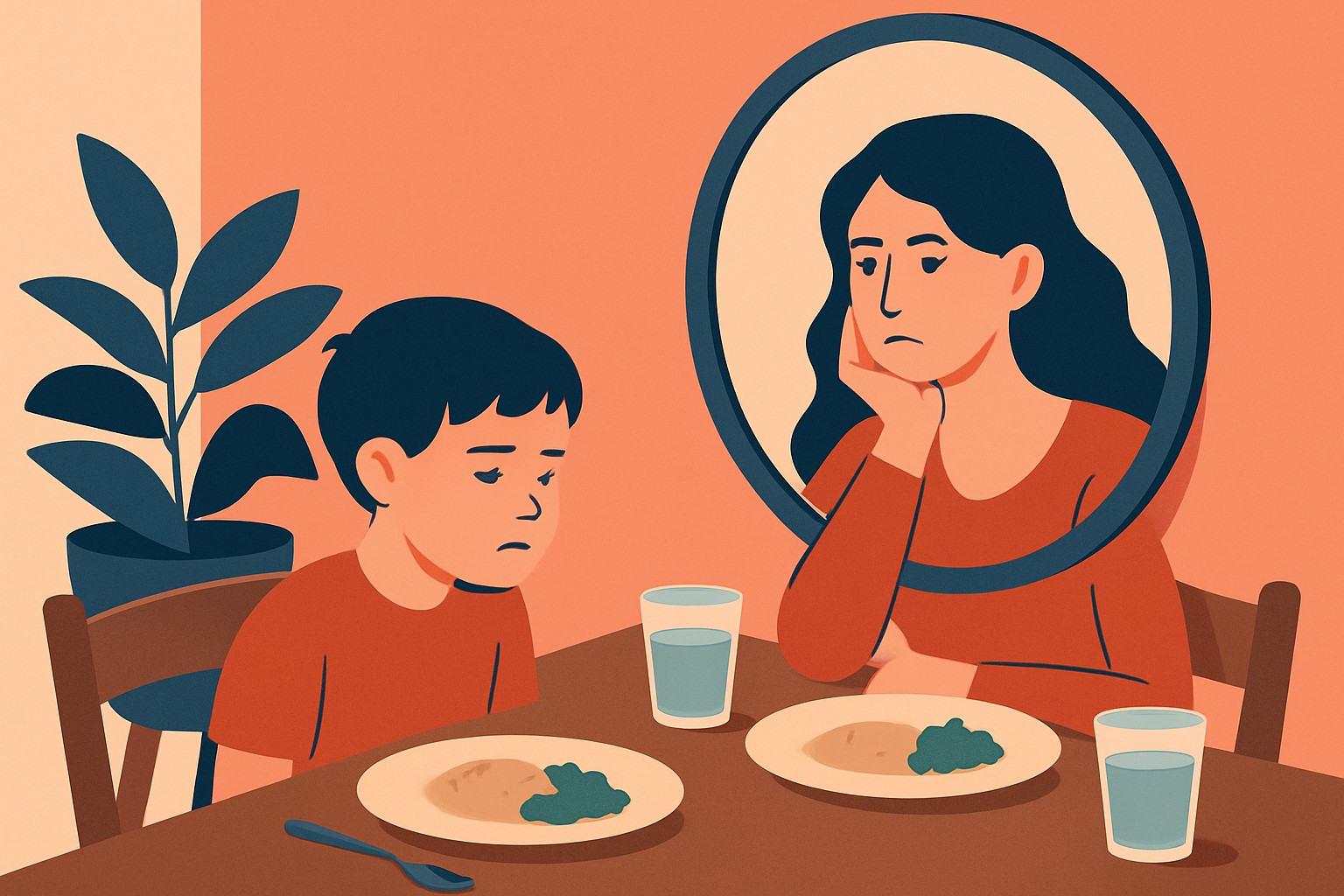
Understanding the signs of a narcissistic mother in a family setting can be quite the tough nut to crack, especially when she is at the center of it all. This article dives into how these narcissistic behaviors tend to sneak into everyday interactions.
Narcissism in parenting usually means a parent places their own needs and desires far ahead of their child's well-being sometimes without realizing the impact. This is not healthy self-esteem, which is about having grounded and balanced confidence.
Recognizing narcissistic tendencies in a mother is important because it can seriously shape a child’s emotional well-being and self-esteem and affect how they handle relationships down the road.
Narcissistic mothers often display behaviors that put their own ego front and center sometimes at the expense of their children's needs. You’ll find a pattern of craving nonstop validation and dipping into emotional neglect. They also have a knack for manipulation, each one leaving a noticeable mark on family relationships.
A narcissistic mother often craves a nonstop stream of praise and validation, sometimes to the point where her own needs completely eclipse her child's wins and milestones.
A key challenge with narcissistic mothers lies in their difficulty truly empathizing with their child's feelings or experiences. It is like there is an invisible wall where the child's pain or joys either don’t register or get brushed off as if they were small weeds in a garden. The child soon figures out that reaching out for emotional support falls flat, which can leave them feeling isolated, almost like shouting into the void.
Narcissistic mothers often lean on guilt and shame like their favorite tools to shape their children's behavior. They might hint or outright claim the child is being selfish or ungrateful.
Narcissistic mothers often try to keep a tight grip on pretty much every aspect of their child's life, from the small day-to-day choices all the way to who they hang out with or get close to. This kind of micromanagement can really put a damper on the child's independence, leaving them feeling stuck and overly dependent on their mother's approval—like they are constantly walking on eggshells.
A narcissistic mother often waves away her child’s feelings as if they’re nothing more than overreactions or trivial worries, which can leave the child feeling pretty lost and second-guessing themselves. Over time, this constant dismissal chips away at the child’s emotional confidence and sense of self-worth.

Not every tough behavior in parenting screams narcissism. It is important to take a hard look at how often these actions pop up and how intense they really are. Also consider the impact they leave behind. Figuring out the fine line between manipulation and plain old parental worry can save a lot of headaches.
Growing up with a narcissistic mother often comes with emotional hurdles like lingering anxiety and a nagging sense of self-doubt that will not quit. Many people find it tough to build healthy relationships based on trust and respect because their childhoods taught them love was a reward you had to earn rather than a given. This can leave someone with a shaky and sometimes confusing sense of who they really are. It is shaped by constant emotional invalidation and boundaries that were more like suggestions than rules. As adults, these old wounds often appear as struggles with setting limits, a deep fear of being left behind, or falling into the same painful relationship patterns repeatedly.
Healing from the wounds caused by a narcissistic mother calls for a good deal of patience, a dash of courage, and above all, a gentle kindness toward yourself. I have found that becoming aware of these tricky patterns can be a real game changer, helping you reclaim your emotional freedom and paving the way for healthier, more fulfilling relationships.
Coping well often comes down to setting clear boundaries and nurturing supportive relationships. It also involves carving out self-care habits that genuinely protect your emotional well-being.
If handling your mother causes constant anxiety or depression and starts to affect your daily life, it’s usually a good idea to reach out for professional support—especially if you're recognizing the signs of a narcissistic mother. Therapists who specialize in family dynamics or trauma recovery can provide valuable tools to patch up emotional scars and help you set healthier boundaries.
Keep an eye on how these behaviors consistently affect you. One big red flag is when her needs and desire for control overshadow your well-being along with a noticeable lack of empathy. Every parent has off days but narcissistic behavior tends to be a relentless self-centered cycle that leaves you feeling invisible and dismissed.
Start by drawing clear and firm boundaries. That might mean dialing back what you talk about or cutting down the time you spend together. You can also limit how emotionally available you allow yourself to be. Don’t forget to validate your own feelings — remind yourself that what you feel is real and important. Try to build a circle of support whether it’s close friends or a therapist who really understands complicated family dynamics.
Honestly, a truly healthy and respectful relationship usually isn’t on the cards since it takes real empathy and change on her part that is pretty rare. You can aim for something more manageable by setting firm boundaries and adjusting your expectations. Focus on safeguarding your peace instead of chasing her approval — that’s a game you’ll rarely win.
Look for a therapist who knows complex family dynamics and childhood emotional neglect or trauma like CPTSD. The ideal person will have experience helping people recover from narcissistic abuse. They’ll support you in making sense of your experiences, rebuilding your self-worth, and creating strategies to set boundaries and heal from long-term impacts.
Absolutely. Feeling guilty is super common and expected because it’s usually tied up in years of manipulation. That guilt doesn’t mean you’re doing something wrong by setting boundaries. Think of it as leftover conditioning trying to pull you back. Meeting that guilt with kindness toward yourself is essential to reclaim your emotional freedom and well-being.

35 pages contributed
Riley is dedicated to breaking down barriers and promoting mental health awareness through honest, relatable storytelling. Their writing seeks to create a safe space for reflection, understanding, and personal empowerment.
Read ArticlesContempt is a toxic emotion that can erode love and respect in relationships. Discover what contempt...

Discover the diverse types of relationships that influence our lives, from family and friendships to...
Recognize common toxic relationship signs early to protect your emotional well-being and foster heal...

Intimacy disorder disrupts the ability to connect emotionally and physically, often causing confusio...