- Learn how to spot sneaky signs of self-sabotage like jealousy or emotional withdrawal that quietly chip away at your relationships.
- Dive into deeper psychological roots such as old wounds or shaky self-esteem that often pull the strings behind these tricky behaviors.
- Take a clear step-by-step journey to uncover your own triggers and patterns. Honest self-reflection and journaling can be surprisingly eye-opening.
- Put practical strategies into action to break the cycle of self-sabotage. Think better communication paired with the often underrated power of self-compassion.
- Feel when it’s time to call in professional help to shake up deeply ingrained habits and build healthier, happier connections.
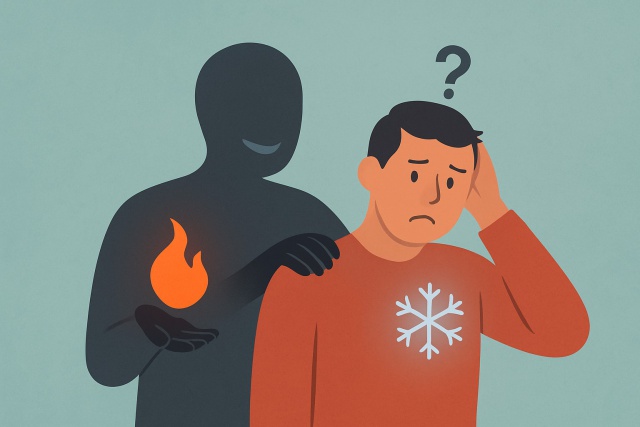
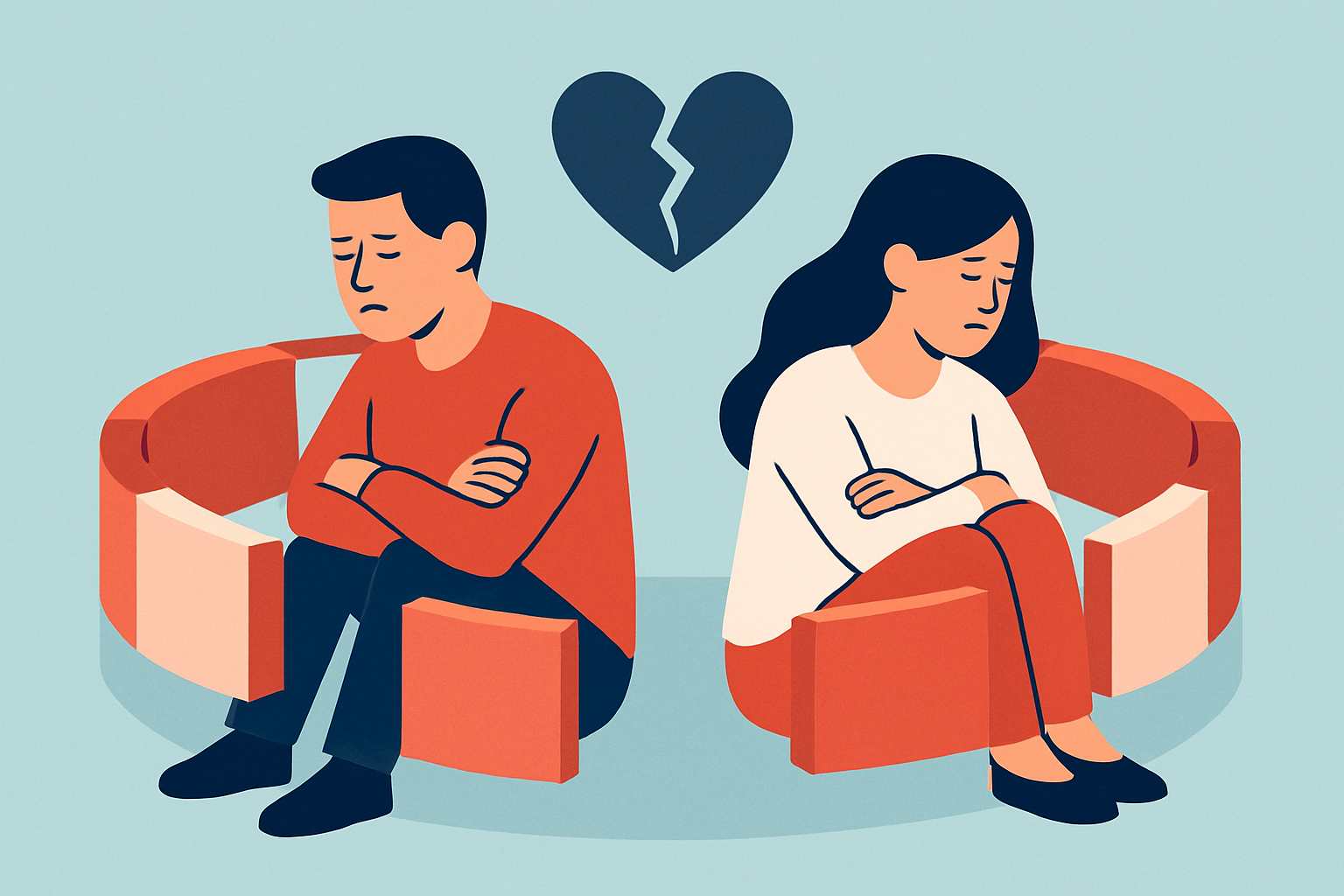
A self sabotaging relationship involves actions that end up throwing a wrench in the success and happiness of romantic partnerships whether we’re fully aware of them or not. These tricky behaviors often stem from unresolved emotional wounds or fears like low self-esteem or anxiety about being left behind. If we don’t catch and address these patterns early on, they tend to spark repeated conflicts and breed mistrust. They also create emotional distance, making it tough to build the deep lasting connections we all crave.
Common Signs That Suggest You Might Be Tripping Over Yourself in Relationships
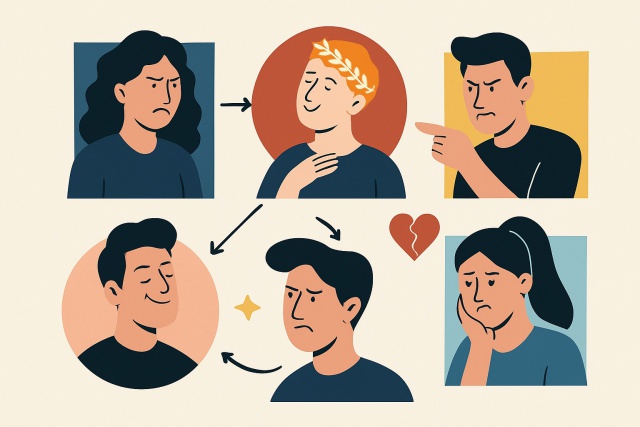
Self-sabotaging behaviors often sneak in as harmful patterns that slowly chip away at the health of relationships. They can show up as intense jealousy that puts a strain on trust, or avoiding emotional closeness altogether as a kind of self-protection. Sometimes it’s the regular criticism that quietly wears down the bond with a partner, or deliberately putting distance between oneself and a partner to dodge vulnerability or the risk of getting hurt.
- Jealousy and mistrust that quietly eat away at the relationship’s foundation over time.
- The fear of being vulnerable, which often leads to a frustrating emotional distance.
- Communication breaking down, whether through defensiveness or just shutting down altogether.
- Clinging to unrealistic expectations that almost always set us up for disappointment.
- Pulling away emotionally, putting up walls that keep real closeness at bay.
- Stirring up unnecessary conflicts as a misguided way to maintain control.
- Struggling to accept love and affection because of a deep-seated feeling of unworthiness.
Why Do People So Often Trip Over Their Own Feet in Relationships
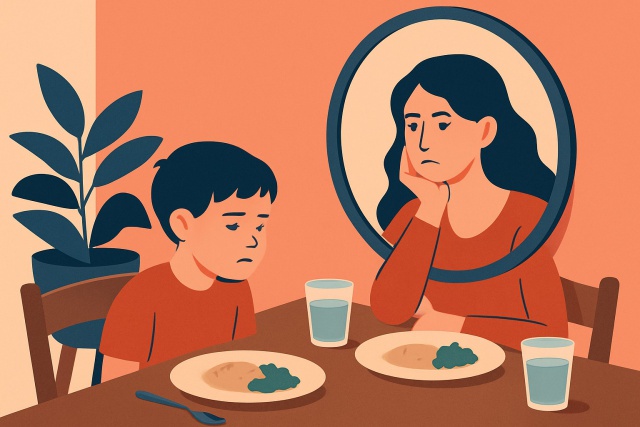
Self-sabotaging behaviors often have their roots tangled deep in the psyche—think unresolved childhood wounds or fears of being left out in the cold or low self-esteem we all wrestle with from time to time. These actions usually sneak up as coping strategies we have built over the years. They act as emotional armor to shield us from pain, rejection or the sting of disappointment.
- Attachment difficulties from childhood set the stage for insecure bonding styles and leave a lingering impact that’s hard to shake.
- A fear of getting hurt again can make people pull back before any trouble has a chance to knock on the door.
- Low self-esteem tricks individuals into feeling unworthy of love no matter how much they long for it.
- Baggage from past relationships builds up over time and causes guardedness and mistrust like an emotional shield.
- Anxiety and insecurity spark pesky harmful doubts and emotional reactions that can make things messier than needed.
- Negative beliefs about oneself, accumulated bit by bit over the years, quietly influence how people show up and interact with the world.
A Practical Guide to Spotting Those Sneaky Habits in a Self Sabotaging Relationship
The first critical step toward meaningful change is catching yourself in the act of self-sabotage. When you nurture genuine self-awareness through honest reflection or occasional feedback from friends and jot down your thoughts in a journal, you start to notice those sneaky triggers and behaviors that quietly chip away at your relationships.
- Take an honest look back at recent spats or clashes in your relationships and think about how you might have played a part without pointing fingers. Just have real talk.
- Tune in to those pesky negative thoughts or behaviors that keep popping up whenever the heat is on because they often reveal the real story.
- Invite candid feedback from close friends or your partner about the patterns you tend to fall into since sometimes an outside view sheds light in unexpected ways.
- Grab a journal and jot down your feelings, triggers and emotional reactions. Over time you might spot some surprising connections.
- Pinpoint the specific fears that are pulling your strings whether it’s the fear of being left out in the cold or the worry of rejection knocking at your door.
- Notice how you handle intimacy or conflict. You might tend to pull back into your shell or things might blow up a bit. It’s worth being honest here.
- Keep an eye out for those self-critical or doubtful moments that can quietly steer you toward self-sabotage because hey, we’ve all been there more times than we’d like to admit.
Strategies That Can Actually Help You Break Those Pesky Patterns of Self-Sabotage in Relationships
Overcoming self-sabotaging habits is no walk in the park—it takes steady effort and perhaps more importantly a kind attitude toward yourself. I’ve found that using tools like positive self-talk and clearer communication plus setting firm but gentle boundaries usually does the trick. These little shifts tend to build trust and naturally draw people closer.
- Be kind to yourself—try swapping out that harsh self-criticism for some genuinely positive affirmations. It really helps, even if it feels a bit odd at first.
- Share your feelings and fears openly and honestly with your partner because keeping it all bottled up only weighs you down more.
- Learn to manage your emotions through mindfulness and healthy stress relief techniques. These little tools can be lifesavers when the pressure mounts.
- Keep your expectations for yourself and your relationship realistic, especially around timing and progress. Remember, Rome wasn’t built in a day.
- Question and gently reshape any negative beliefs about your value and your capacity to be loved. Sometimes we’re our own toughest critics.
- Consider therapy or counseling if these patterns feel deeply rooted or just too tricky to handle on your own. There’s no harm in asking for a little help.
- Build trust step by step by being vulnerable and consistent. Trust isn’t an overnight thing. It’s worth the slow burn.
- Focus on your wellbeing by focusing on personal growth and setting clear boundaries because after all, you can’t pour from an empty cup.
Keep yourself on track by setting up accountability routines—think regular self-check-ins or even joining a support group if that’s your cup of tea.
When It Really Pays Off to Call in the Pros
Self-help methods do the trick for a lot of individuals, but some find themselves tangled up in self-sabotaging behaviors that run way deeper than they expected—almost too tangled to unravel solo, especially when it comes to a self-sabotaging relationship. Realizing when it’s time to call in the pros can not only put a stop to ongoing pain but also save those hard-won relationships.
- Lingering feelings of unworthiness that sneak in and chip away at hope more often than you would like.
- Relationship struggles that keep popping up even when both people are genuinely trying to make things work.
- Anxiety or depression so heavy it really puts a wrench in everyday life.
- Finding it tough to trust or truly connect emotionally with partners—something that can feel isolating.
- Falling into patterns of abuse, avoidance or destructive conflicts that feel hard to break free from.
- Hesitation to dive into positive changes without some outside nudge or support.
"Change often sneaks up on us when we finally muster the courage to reach out for support and genuinely focus on personal growth. Therapy has this amazing way of shining a light on those blind spots we’d probably ignore otherwise, helping us build the kind of loving relationships we truly deserve—no compromises." – Relationship Therapist Dr. Emily Harper